


While 2015 seems a distant memory these days, I’m sure some of you still remember the Volkswagen emissions scandal. As a new industry, we believe we need to learn from these examples, that it is important we are transparent and clear about how we compare energy consumption figures. Auto manufactures routinely show fuel consumption figures for open road driving. Telling everyone your car is the most fuel efficient at 100 kilometers per hour isn’t all that helpful if the majority of your driving is done in urban areas. Believe it or not, this same analogy also happens to work for surf pools.
Surf pools draw in surfers of all skill levels, from beginners to experts. The same wave doesn’t work for all abilities, so being able to adjust the wave from urban driving for intermediates to open road driving for experts is a necessity. Translation: you want wave pool operations which are the most efficient for the variety of operation settings you are going to use the most. The good news is that intermediate waves tend to need a bit less power than expert waves which helps your power costs.

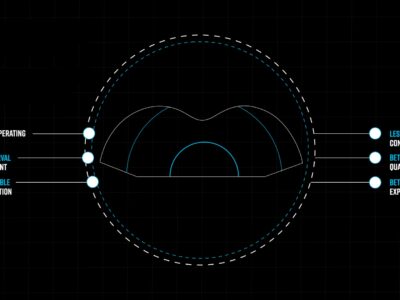
Let’s break down what you need to consider in your equipment evaluation to avoid being misled:
- Flexible capacity
Can you turn on just part of your pool for quiet times or do you have to run the whole system to make waves?
- Reset time
How long does the pool have to settle before you can change the wave formation? This downtime has two consequences:
- Your guests will not be satisfied to be paying for long pauses between waves
- Your power consumption spikes when you power back up, and with other systems that first wave isn’t rideable.
- Wave frequency
If max efficiency requires waves every eight seconds, you will probably discover that most intermediates find this too fast and get frustrated because they can’t catch the waves in the cadence they come. If you slow the wave cadence down what happens to your energy costs?
This is why you don’t want to look at energy per hour because it includes differences in rest and frequency.
Consumption per wave
If you want to make a true comparison, break the numbers down to a per wave metric which removes any difference in frequency and measures ‘apples to apples’ in cost per wave. Cost per wave divided by capacity then links directly to anticipated ROI.
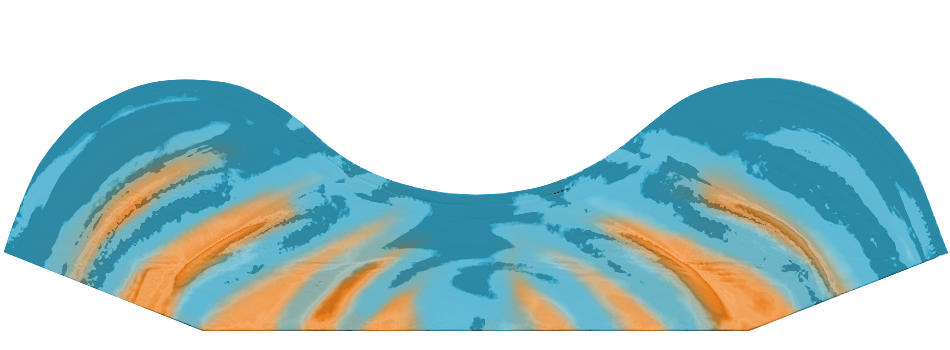
It’s important to note that less power consumption doesn’t equal energy efficiency. If you get fewer surfable waves per session, that isn’t efficient, and more importantly, it doesn’t result in high guest satisfaction.
The freedom of flexibility: make power a variable cost
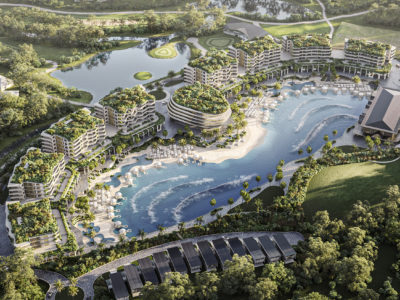
Endless Surf gives your venue the flexibility to operate half the number of chambers based on capacity, which enables you to control your costs in tune with your revenue. You can choose to run one side only, shorter waves, or reduce the frequency of the waves based on the number of people in the pool. Other systems are binary, either all on or off which makes power a fixed, not variable cost—not helpful on a quiet day.
Flexibility also means being able to set wave frequency according to who is in the pool, so that your power usage relates directly to satisfying your guests. High frequency, high power waves for experts or lower frequency, lower power waves for intermediates (and beginners cost you very little as they enjoy the whitewater that span out towards the end of the wave).
Power is only one aspect of operating costs; you also need to factor in maintenance costs and lifespan and replacement costs. Then, of course, there is the cost of downtime either due to reliability or maintenance.

Lifetime value: the true cost of your equipment choice
Lifetime value calculations for Endless Surf shape up well. Not only is our cost per wave very competitive but because our equipment isn’t in the water, our maintenance costs are much lower. Anyone in the marine industry will tell you water isn’t a kind element for technology, and corrosion decreases the life span. If you can’t take the equipment out of the water for servicing then you need specialist scuba diving technicians—probably not a plentiful resource you can price check, even if you had the freedom to do so, and weren’t tied into expensive maintenance contracts.
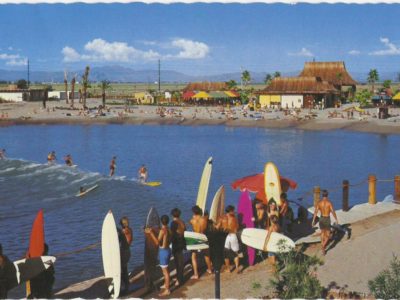
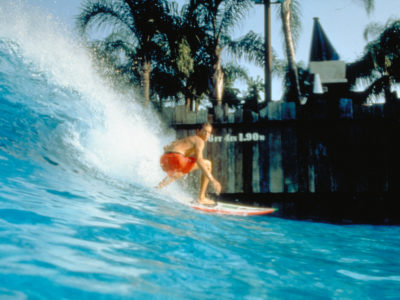
The longevity of any of the products on the market has yet to be truly tested because these venues are all new, except those pools with pneumatic waves that WhiteWater installed 30 years ago which still operate smoothly, producing reliable waves. It is a heritage which proves the longevity of the pneumatic technology Endless Surf has advanced. As for down time, ask the parks that have been changing wave patterns on the press of a button for decades; a pneumatic system based on air chambers doesn’t require the same pool settling reset time.

A fair price means no hidden on-going costs
In Endless Surf, we wanted to create a system which gave venues the flexibility to manage waves according to their capacity needs and the level of the surfers in the pool. As a WhiteWater product, we stand by the reliability, longevity, and safety our reputation is based on. Our mission is to help venues thrive, and that support follows through to writing fair terms. We don’t believe in costly royalty and license fees; ongoing costs are minimal to support software upgrades you’ll want as we enhance our Wave Doctor software further and Surf Concierge.
A good deal is based on an honest relationship and transparent fees and pricing, something Volkswagen learned the hard way.