


We don’t often associate surf culture with long histories, as the sport is usually intertwined with images of young, carefree people bent on embracing the future with open arms. Now, though, anthropologists and historians know that surfing has been practiced for thousands of years in the South Pacific. It is thought that surf culture in Hawaii goes back at least 1,500 years. As recently as the early 1800s, surf culture in Hawaii was a cast system of Kapu (taboos) that dictated all aspects of the islanders’ lives, from the food they ate to how they built surfboards. This allowed royalty access to the best boards and best surf spots. The commoners got the leftovers, in what may be the earliest case of “localism” in history.
During the 1800s, with the arrival of Christian missionaries, surfing was cast in a negative light because of the customary nudity, gambling, and sexuality associated with it. However, the native Hawaiians are believed to have resisted this encroachment on their beloved sport, and instead, fought fiercely to preserve it.
In the early 1900s Duke Kahanamoku and George Freeth started the multiracial Hui Nalu Club (Club of Waves) in response to the segregated Outrigger Canoe Club, which sought to exploit surfing as a way to attract tourists and marginalize native Hawaiians. The “Duke” asserted his influence and control of their status in the surf zones, defending it from Westerners, and thus, the creation of beach boy culture began.
Surfing gains popularity around the world
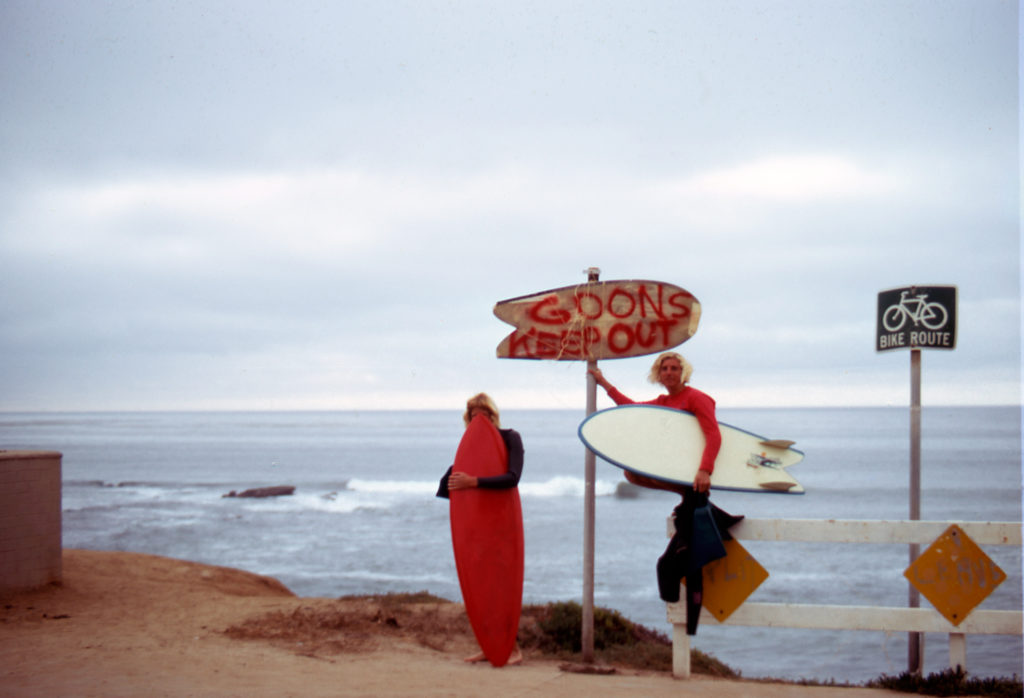
Shortly thereafter, the Duke and Freeth gave surfing demonstrations in New Zealand, Australia, and the West Coast of the USA, demonstrating the beauty of the sport of surfing. They were the original ambassadors of surfing, and their demonstrations included stops in Venice and Redondo Beach, California, which helped spread the devotion to surfing up and down the west coast as well, as surfers sought out new surf spots. It was the early culture of the “hunter gatherer” mentality of surfing as we progressed into the 1950s and 60s, as the early contingent were actually looking for others to surf with, party with, and raise hell with.
This 50s and 60s surf culture was devoted to woodies, bikinis, baggies, and music and the popularity of the surfing lifestyle and culture started impacting and influencing art, music, literature, film, fashion, and most importantly, jargon. Yes, jargon, whereby surfers invented their own language. Not only is surf “lingo” that was invented then still in use today, subcultures have even created their own language. This lingo was created in an effort to speak freely without others understanding. Remember, phones used to be nailed to a wall in the kitchen, making it difficult to converse about all things private in a public, family room. As teenagers, we had a complete code on the who, what, and where we were doing everything.
Surf culture’s impact on skateboarding

The culture of the beach was slowly influencing surfers and vice versa. This culture led to the development and improvement of the skateboard, which was basically, land surfing. Skateboard manufacturing went through several successful technological innovations that greatly improved performance and safety, and their popularity skyrocketed, with legendary skateboarders like Tony Hawk breaking into mainstream culture. Skateboarding has always subscribed to the “no team, no rules” mantra, which fits perfectly with surfers as well.
A respected role model
As a young surfer in the late 60s into the 70s—through our rebellious period—we were all looking for role models that would help create acceptance for our love for surfing. For me personally, it was my employer through high school and college, Dr Arlen Kantor. He was a man’s man. A good looking, complete sportsman (he fished, skied, played racquetball, etc.) who was incredibly successful, and a surfing fanatic. From him, I learned that you could be successful and surf—that it was a possibility.

This was during the 70s, when the “culture of the day” was, when there was surf, you dropped everything else and went surfing. He followed his ideology of surfing hard and working hard, and taught me to, as well. This was the cultural lesson I learned: work hard, play hard, and when there is great surf and playing to be done, or barrels to be had, go for it!