


Making surfing accessible to everyone
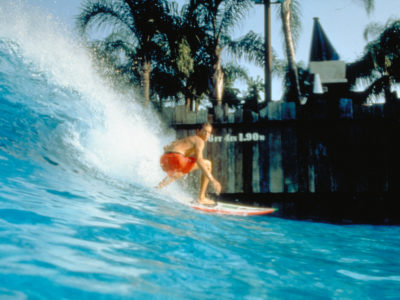
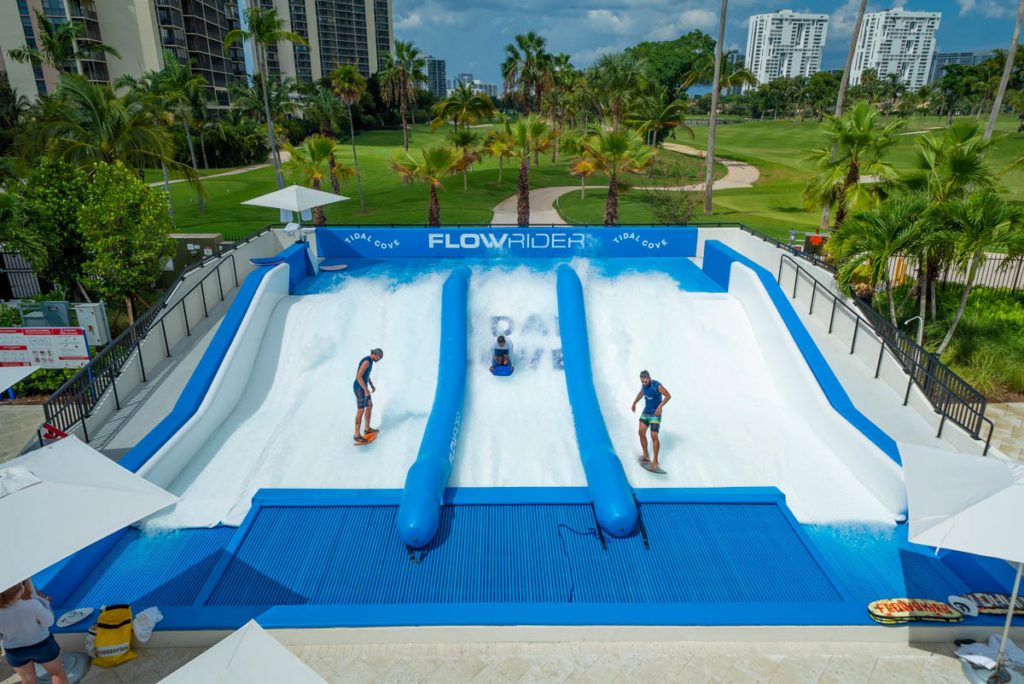
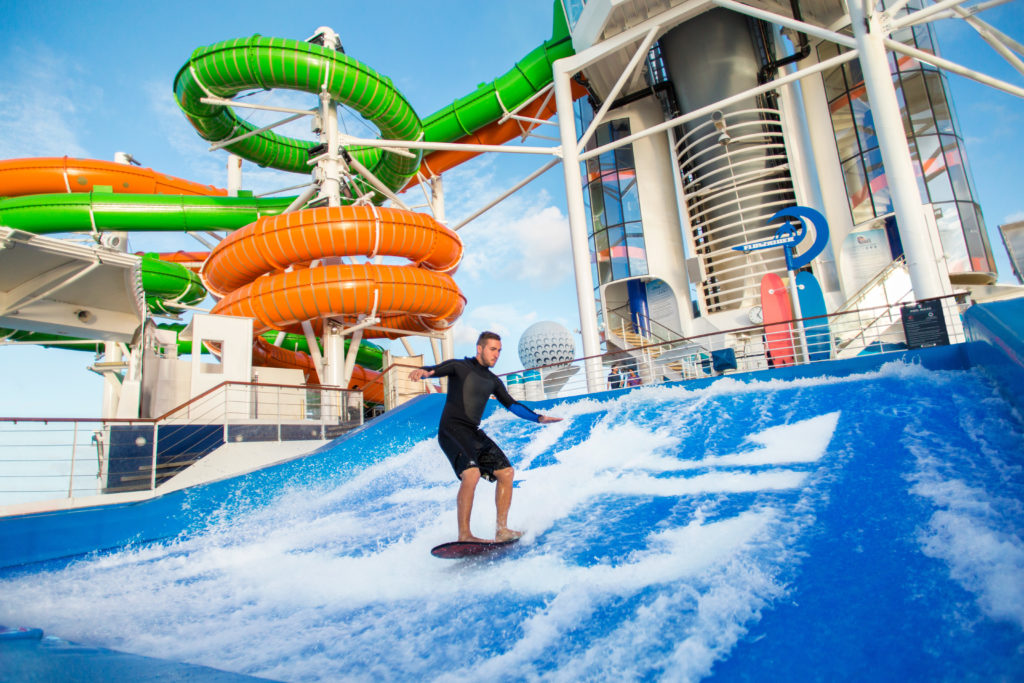
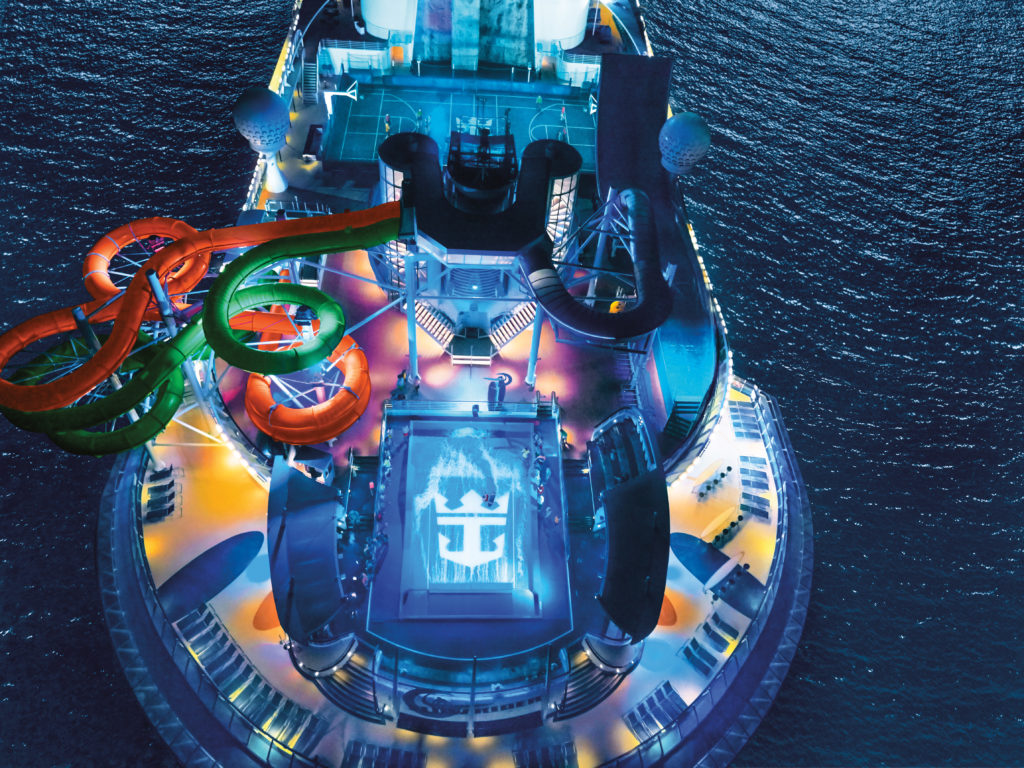
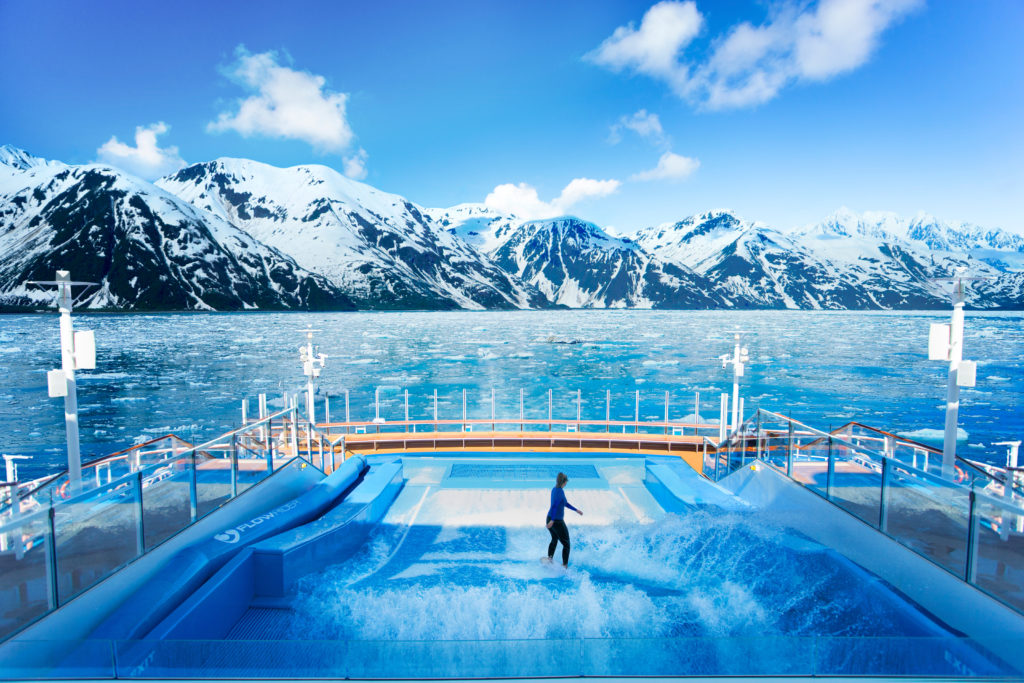
It was only a matter of time before someone tried to bring surfing to the people instead of the people to the surf. As the saying goes, “necessity is the mother of invention” and so, in the 1990s, along came Tom Lochtefeld, the brains behind FlowRider. When he invented the world’s first sheet wave, his goal was to bring the feel of surfing to anyone in the world. He soon installed sheet waves in water parks, restaurants, shopping malls, and even created a mobile version of the FlowRider. Lochtefeld’s sheet wave’s massive popularity meant that FlowRiders could soon be found all around the world, from Europe to Asia to Australia, creating legions of fans wherever a FlowRider was installed. Today, FlowRiders can be found not just all over the world, but on massive cruise ships, too.
Necessity is the mother of invention
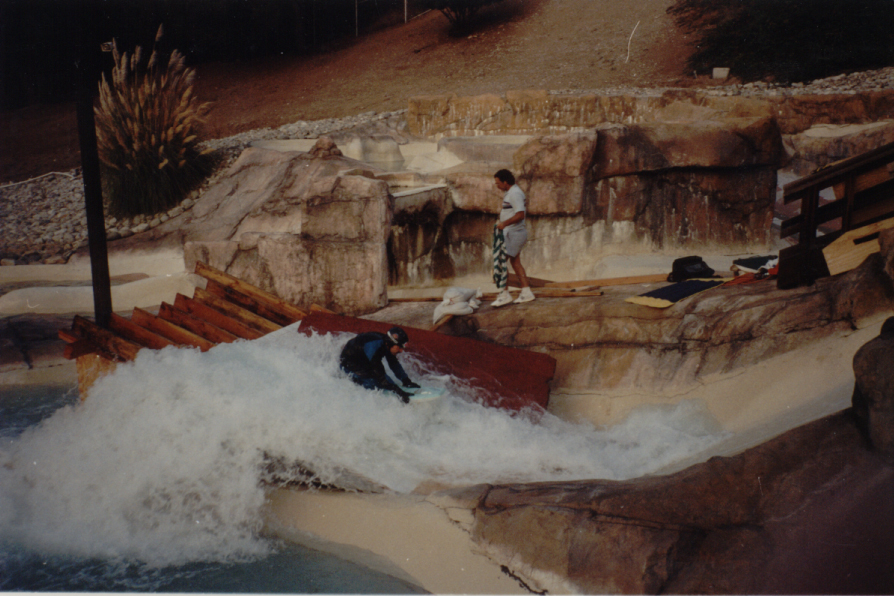
Lochtefeld’s second goal was to emulate the Southern California lifestyle i.e., surf culture. He nailed the cultural part of it with the first commercial simulated surfing machines. At the time, acceptance of the lifestyle was just beginning to take hold in non-coastal communities. This cultural component was never more apparent than when I was traveling while working in the golf industry in the mid-nineties and walked into a Nordstrom in Cleveland. Right there in the men’s section, were Rusty boardshorts and apparel while Macy’s was selling O’Neil and Quiksilver. Just like that, surf apparel and the willingness of the world to accept our culture had gone mainstream. These surf apparel companies were booming with growth, fueled by the fact that, let’s face it, as surfers, we are part of the greatest, coolest culture ever! And who doesn’t want to be cool? Then, on a trip to Shanghai in 2000 in a huge department store, and I came across Oakley, Quiksilver, Billabong, O’Neil, and Hurly branded stores. It was then official—surf culture and beach culture had taken hold all around the world.
Surfing gains mainstream acceptance
I thought I’d never see the day when surfing was accepted in this way. Back in the early 70s, when I first had success with getting images published in Surfer and Surfing, while my Mom and Dad were proud of my photographic exploits, they had a hell of a time explaining it to their massive families in the Midwest! I was the outcast, the long haired rebel. Now, I guess I am finally normal! It only took over 50 years.
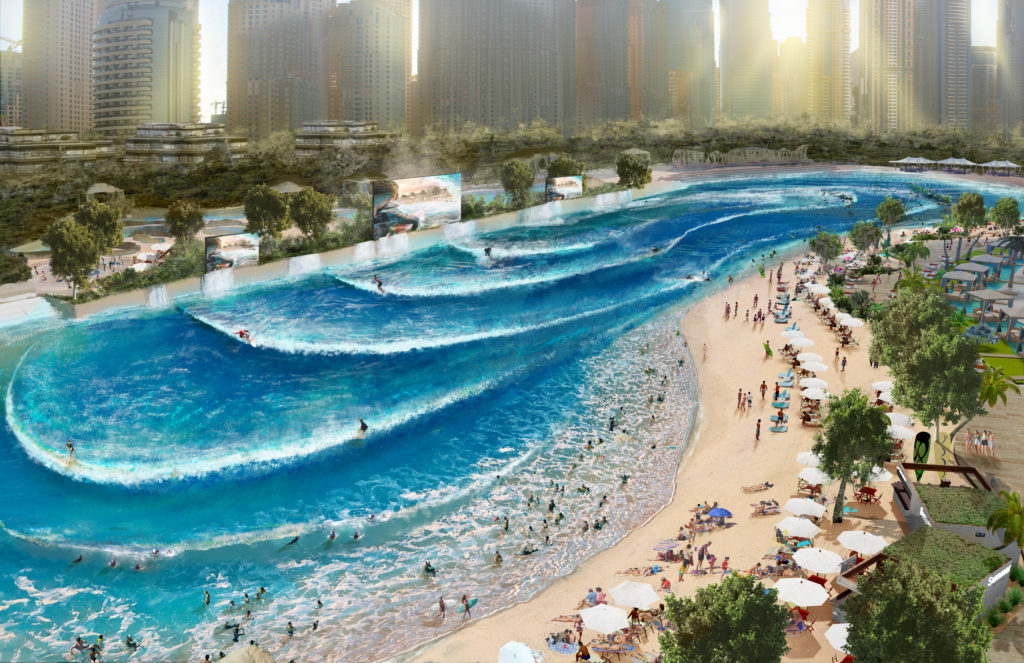
And as we forge our way into the 2020s, a brand new decade in a new century, we are looking at both surfing and skateboarding to be part of the next Olympic Games. If someone had told me that four decades ago, I’d never have believed them. The activity once scorned by everyone is now an Olympic Sport! Goes to show that anything can happen. The next thing you know, the entire world will be covered in artificial waves, and why not? Just like in the movie, “Field of Dreams,” I say that if you build it, they will come. These waves are coming in a variety of forms, and with them, I predict the emergence of “micro surfing cultures”, all unique in their own ways. What does this all mean?
If you build a wave in say, Paris, France, what will the cultural aspects be of surf in the city? France does have surf culture, but I’ve not seen it in Paris. There is surf in major metropolises around the world, for instance, in Sydney, Los Angeles, San Francisco, Honolulu, and New York. These are all bustling hubs with surf culture. My guess is that the skate parks of today will become the surf parks of tomorrow. I envision a new type of surf local, but I do fear the fact that it may come with a cost. The fact that you will need to “pay to play” will most definitely create a caste system.
Looking into the 2020s and beyond
The artificial wave industry will make surfing more accessible around the globe—that is a fact—but how accessible will it be for people with very little money and how will they learn to start surfing and improve on their skills?
Obviously, not everything is figured out yet, but there is always going to be a stoked grom that will find a way to wedge themselves into a lineup. Perhaps, the older generation of surfers who just want to get in line and ride a wave will pony up the bank, while the younger generation may create a whole new type of surf culture? The local surf pool surf culture will become a mixture of surf and local socio-economic forces. Micro cultures will most definitely develop around these new surf pool systems, just like they have around certain surf spots. There will no doubt be packs of “locals” that frequent the venue as much as they possibly can, but the age-old fighting and jostling for wave priority will cease to exist when you are paying for the privilege of riding waves.
Will this possibly become a secular surf culture? And if so, will people who grow up on artificial waves, taking turns in an orderly fashion, be able to aggressively pursue the best waves in the ocean? Will they survive in a lineup of people who have spent their lives “reading” the ocean? These are the questions that keep us very interested, and the answers will ultimately have a huge impact on the future of surf pools and parks.